Takedown & Storage
Christmas light storage ideas that actually work
Storage is not a container problem. It is a method problem, and the method takes about an hour once a year.
Mike M. — The hands-on owner behind Iron Mako Media.
Published
This page contains affiliate links. If you buy through them we may earn a commission at no cost to you, and it never decides what we recommend. How this site is funded.
Quick picks
| # | Product | Best for | Score | Price |
|---|---|---|---|---|
| 1 | 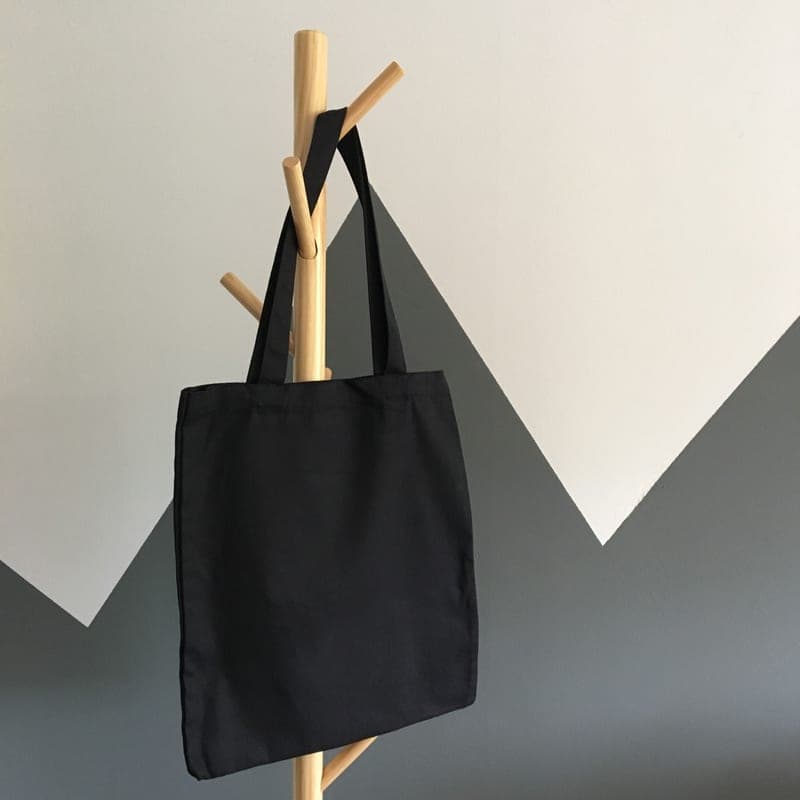 Top pickHOLDN' STORAGE Premium Christmas Light Storage Bag with 3 reels600D + PVC, 3 reels, up to 375 ft | One bag for the whole display | 9.0 | Check price on Amazon |
| 2 | IRIS USA Weathertight Storage BoxGasket seal, latching lid, stackable | Clips, stakes, timers and spares | 8.3 | Check price on Amazon |
| 3 |  Santa's Bags Install N' Store Light Storage ReelInstall-and-store reel format | Winding as you take down | 8.5 | Check price on Amazon |
#ad We may earn a commission · Prices are shown by Amazon, not by us
Scores are our own editorial judgment from published specifications and buyer feedback — not aggregated user ratings, and not from hands-on testing. See how we pick.
Jump to a full review below: storage-and-takedown
The method, in order
- 1
Wait for a mild, dry day
Cold plastic clips snap, frozen ground is no place for a ladder, and wet lights should not be packed. A 45-degree dry day in late January beats a 20-degree one in the first week.
- 2
Wind as you remove
Carry a handled reel along the run and wind as the clips come off. The string never touches the ground and it is wound under even tension, which is what makes it pay out cleanly next year.
- 3
Label each reel immediately
Tape and a marker: 'Front gutter, 4 sets, warm white'. Thirty seconds now, twenty minutes saved in November.
- 4
Collect the clips as you go
Into a pocket or a bucket, not onto the lawn. Good clips are reusable for years and the ones left in the grass are gone.
- 5
Dry everything indoors for a day
This is the step that matters most and the one everyone skips. Lights packed damp corrode at the sockets over eleven months.
- 6
Reels into the bag, hardware into the bin
Strings never go loose into a container. Clips, stakes, timers, spare bulbs and fuses go into a rigid gasketed bin.
- 7
Write the failure note before you forget
Which set died, which run came up short, what you wanted more of. Tape it inside the bin lid. November-you will not remember.
What goes where
| Item | Container | Note |
|---|---|---|
| Light strings | Reels, in a fabric bag | One reel per continuous run |
| Extension cords | Their own reel | Do not mix with light runs |
| Net lights | Folded flat, in the bag | Fold repeatedly along one axis; never bunch |
| Clips and stakes | Rigid gasketed bin | In a labeled sub-bag inside the bin |
| Timers and smart plugs | Rigid bin | Rigidity protects them from being crushed |
| Spare bulbs and fuses | Rigid bin | Fuses taped inside the lid |
| Inflatables | Their own box, fully dry | See the waterproofing guide |
Folding nets so they do not snag
Nets are not wound, they are folded — and bunching a net into a ball is how it snags on itself and becomes worse to untangle than a string.
Lay it flat, fold it in half, and keep folding along the same axis each time so the mesh stays aligned. Store it flat rather than compressed, and keep the power lead on the outside so you can find it.
Where to keep it
- An attic is dry but temperature-extreme, and things get stacked on. Heavy fabric bag and a rigid bin.
- A garage is damper and dustier. Waterproof coated bag, gasketed bin, up on a shelf rather than on the floor.
- A shed is the hardest environment: damp, pests, big temperature swings. Put the bagged reels inside a rigid bin.
- An indoor closet is the easiest if you have the space, and needs nothing special.
- A basement wants everything on a shelf off the floor, in sealed containers.
The inventory note
One sheet of paper, taped inside the bin lid, saves more time than any container. Write down:
- The footage of each run, so you never remeasure the roofline
- The product line and color of each set, so an extension matches
- The wattage and maximum end-to-end connection count, off the tags
- What failed this season and what you wanted more of
- Which clip type is on the house, and roughly how many
That sheet is what turns next November from a research project back into a shopping list — and it is what the planning hub would otherwise have you rebuild from scratch.
Common questions
How do you store Christmas lights so they do not tangle?
Wind each run onto its own reel as you take it off the house, rather than coiling a pile afterwards. A reel makes tangling physically impossible because each run is separate and wound under even tension.
Should Christmas lights be dry before storing?
Completely. Lights taken off a roof in January are wet inside the sockets as well as outside, and sealed away damp for eleven months the contacts corrode. A day indoors first prevents a large share of next season's failures.
How do you fold net lights for storage?
Lay the net flat and fold it in half repeatedly along the same axis so the mesh stays aligned, then store it flat. Bunching a net into a ball makes it snag on itself and it becomes harder to untangle than a string.
What should I write down before packing the lights away?
Run footages, the product line and color of each set, the wattage and end-to-end connection limit from the tags, what failed this year, and which clip type is on the house. Tape it inside the bin lid.
Sources
Every specification quoted on this page comes from the manufacturer’s own published information or a current retail listing, linked below. Where a figure is not published, we say so rather than estimating it.