The technique that keeps clips reusable, and what to do about a leg left under a shingle.
Everybody researches lights and nobody researches storage, which is strange, because storage is the stage that determines how much of the previous stage you have to repeat next year.
The failure is always the same. Lights come off the roof in the cold, go into whatever box is nearest, and come out eleven months later as a single object with a bulb missing. The fix is not complicated and it is not expensive: wind onto reels, dry before sealing, label as you go.
The method, in order
1
Pick a mild, dry day
Plastic clips go brittle in the cold and snap when you pull them, and frozen ground is no place for a ladder. A 45-degree day in late January beats a 20-degree day in the first week of the month.
2
Wind as you remove, not afterwards
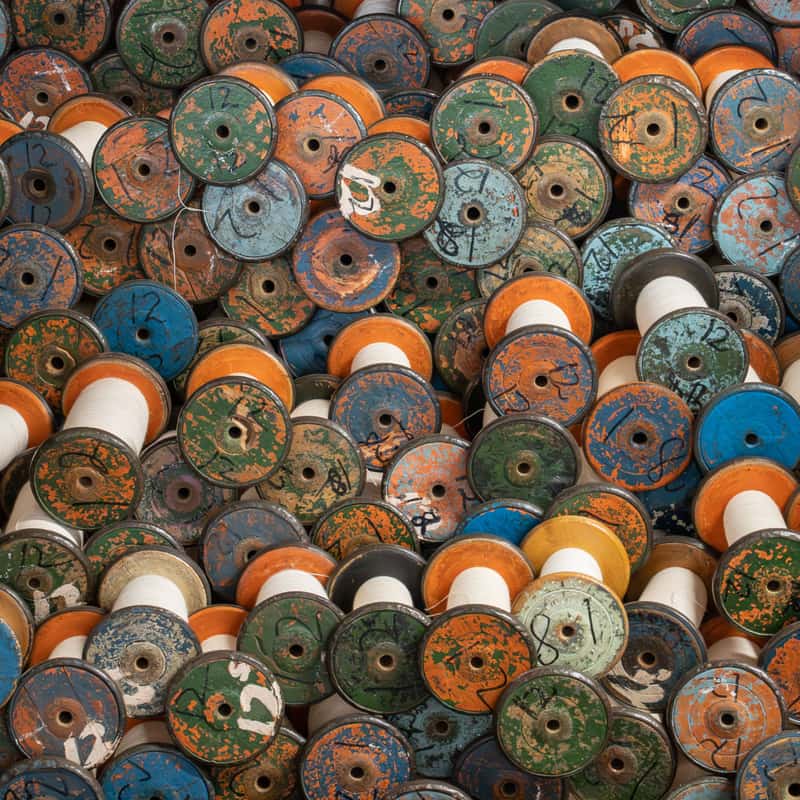
Carry a reel along the run and wind the string onto it as the clips come off. A run wound under even tension pays back out cleanly next year. A pile on the garage floor does not.
3
Label each reel where it goes
'Front gutter, 4 sets' on a piece of tape is worth twenty minutes next November. This is the highest-value thirty seconds in the whole process.
4
Let everything dry before it is sealed
Lights taken off a roof in a drizzle are wet. Sealed away wet for eleven months, the sockets corrode. A day indoors first is the single most valuable habit here.
5
Hardware in a bin, strings on reels
Clips, stakes, timers, spare bulbs and fuses go in a rigid gasketed box. Light strings never go loose in a bin, because a bin full of loose string is a tangle by definition.
Reels, bags or bins
What each container is actually for
Container
Right for
Wrong for
Reel
Light strings and extension cords
Hardware, bulbs, anything loose
Bag with reels inside
The whole light inventory in one carry
Anything crushable
Rigid gasketed bin
Clips, timers, spare bulbs, fuses
Light strings — this is how tangles start
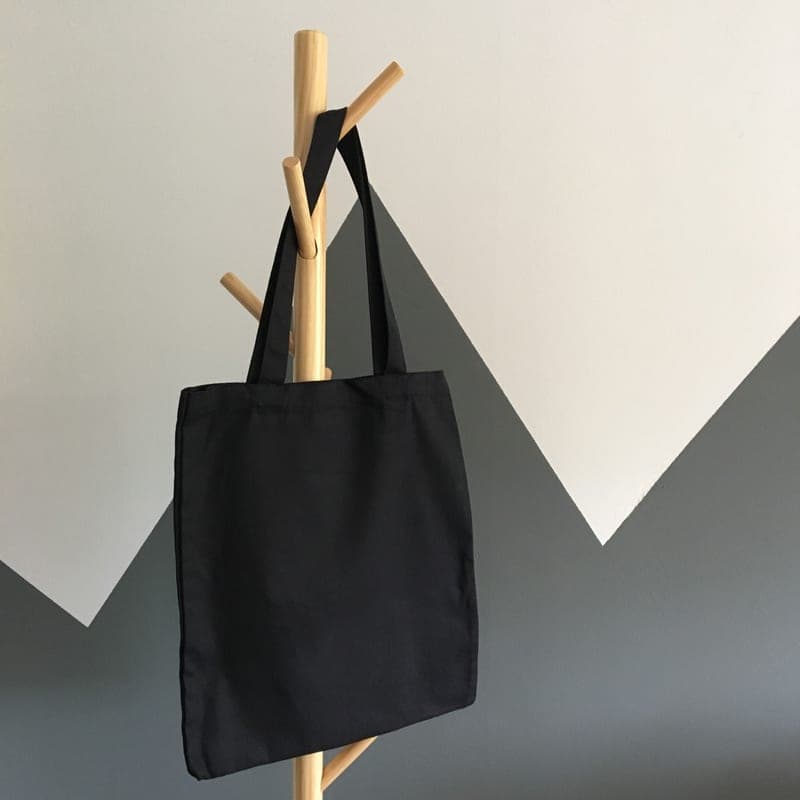
The combination that works is reels inside a bag for the strings, and a rigid bin for the hardware. Reels vs bags vs bins compares them directly, and best storage reels has the picks.
Getting clips off without breaking them
Good clips are reusable for years, which changes their cost per season entirely. They get broken at takedown, by pulling straight down on cold plastic. The technique is to lift and rotate rather than yank, and to do it when the plastic is not brittle. Removing clips without damage covers it, along with what to do about a leg left under a shingle.
When to actually take them down
There is no rule, only a convention and a weather argument. When to take down Christmas lights covers both, and the practical answer is: leave them up as long as you like, but take them down on a mild dry day rather than on the first available weekend.
Storage is also the moment to note what failed, because November-you will not remember. A dead set, a short run, a missing clip type — write it down now while the evidence is in your hands, and next season starts at planning with a real list.
Common questions
What is the best way to store Christmas lights?+
Wound onto reels, inside a fabric bag, stored dry. Wind each run as you remove it from the house rather than coiling a pile afterwards, label each reel with where it goes, and let everything dry indoors before sealing it away.
When should you take Christmas lights down?+
Conventionally after the Twelfth Night, around January 6. Practically, pick a mild dry day rather than a specific date — cold plastic clips snap, and lights put away wet corrode at the sockets over the next eleven months.
Can you store Christmas lights in the garage?+
Yes, if the container is waterproof and the lights are dry when they go in. A garage is damper and more temperature-extreme than an attic, so use a waterproof bag or a gasketed bin rather than a cardboard box.