Outdoor Christmas Lights
Commercial vs consumer grade Christmas lights
Four concrete differences, none of which is brightness. Whether they justify the price depends entirely on how many seasons you are planning for.
Mike M. — The hands-on owner behind Iron Mako Media.
Published
This page contains affiliate links. If you buy through them we may earn a commission at no cost to you, and it never decides what we recommend. How this site is funded.
Short answer: commercial-grade sets have removable bulbs, heavier wire, tougher lenses and parts you can still buy in year four. That is worth several times the price if you light the house every year, and not worth it if you are not sure you will do this again.
The four differences that are real
| Commercial grade | Big-box consumer | |
|---|---|---|
| Bulbs | Screw into sockets (E17 / E12) | Molded into the wire |
| Repair | Swap one bulb | Replace the set |
| Wire | Heavier gauge | Light gauge |
| Lens | Polycarbonate on premium lines | Thinner plastic |
| Parts in year 4 | Standard bases, still available | Product line discontinued |
| Cost per set | Several times higher | Low |
| Cost per season, over 5 years | Lower | Higher |
Notice what is not on that list: brightness, color quality and how the display looks from the street. On those, the two are broadly comparable. You are buying longevity and repairability, not appearance.
Why sockets matter more than anything else
A socketed set is a repairable product. Lose a bulb, screw in another one. Because C9 uses the standard E17 base and C7 uses E12, those replacement bulbs are cross-brand — a Wintergreen bulb fits another maker's socket.
That is what decouples the life of your display from the life of any particular product line. In year four, when the set you originally bought is discontinued, you do not care, because you only need a bulb.
Wire gauge is a takedown feature
Heavier wire matters less for carrying current — LED draw is tiny either way — and more for surviving handling. A light-gauge wire wound carelessly onto a reel kinks, and a kink is where the conductor eventually breaks. Commercial wire tolerates being handled every year for a decade.
It also holds a straighter line between clips, which is a visible difference on a long run.
Lens material is a ladder feature
Premium commercial bulbs use polycarbonate lenses — Wintergreen states theirs are around 200 times the impact strength of glass. What that means in practice is that dropping a bulb off a ladder does not cost you a bulb.
It also means a bulb struck by a branch or hail in a storm is far less likely to shatter and leave an open socket, which is itself a water-ingress problem.
The multi-year arithmetic
We are not publishing prices here — they move, and anywhere a price appears on this site it comes from live data. But the shape of the calculation is stable:
- A commercial C9 set costs several times a budget set up front.
- It is then maintained with individual bulbs, which cost very little.
- A budget molded set is replaced entirely when a section fails, typically after two to four seasons.
- Somewhere around the third or fourth season, the cumulative cost lines cross — and after that the commercial set keeps getting cheaper per season while the budget one resets.
Where to spend and where not to
- Roofline: commercial. This is the run you will keep, repair and extend. It is the one place the premium clearly pays.
- Nets on shrubs: consumer. Nobody inspects a net, and they get replaced on aesthetics more often than on failure.
- Accents and wreaths: consumer. Small, cheap, easily replaced.
- Icicles: it depends on the run. A long permanent gutter run justifies better; a short porch eave does not.
The budget breakdown across the whole display is in the budget guide, and the repair procedure that makes commercial sets worth owning is in replacing bulbs and fuses.
What to buy
The products that fit the advice above, chosen by the process on our methodology page. We have not hands-on tested them; specifications are the manufacturers’ own.
Quick picks
| # | Product | Best for | Score | Price |
|---|---|---|---|---|
| 1 | 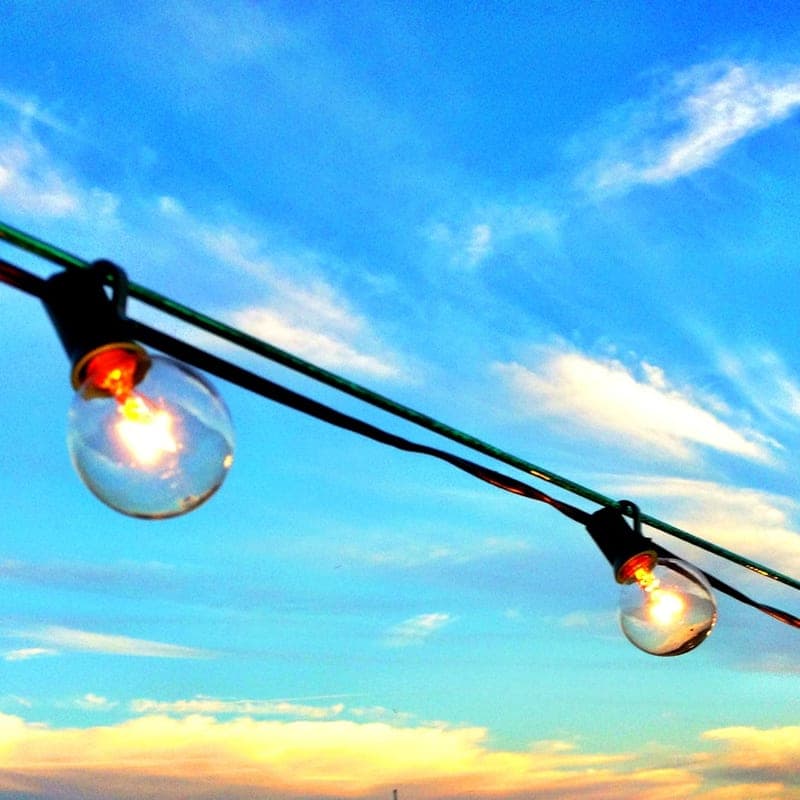 Top pickWintergreen Lighting OptiCore C9 LED, 25 ft25 bulbs / 25 ft, 12 in spacing | Rooflines you want to keep for a decade | 9.2 | Check price on Amazon |
| 2 | 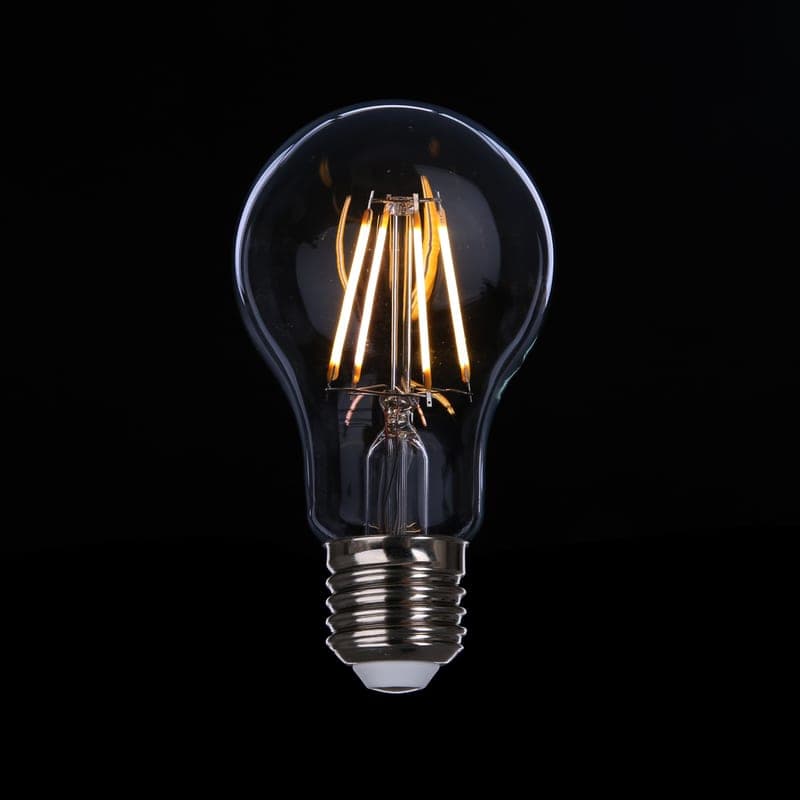 Wintergreen Lighting OptiCore C9 replacement bulbs, box of 25E17 base, box of 25 | Keeping an existing C9 run alive | 9.0 | Check price on Amazon |
| 3 | Brizled LED Christmas String LightsHigh LED count per set, multiple modes | A first display on a budget | 8.0 | Check price on Amazon |
#ad We may earn a commission · Prices are shown by Amazon, not by us
Scores are our own editorial judgment from published specifications and buyer feedback — not aggregated user ratings, and not from hands-on testing. See how we pick.
Jump to a full review below: lights
Common questions
Are commercial grade Christmas lights worth it?
For a roofline you intend to light every year, yes — the bulbs are individually replaceable, so the set gets repaired rather than replaced and the cost per season falls each year. For a display you may not repeat, no.
What makes Christmas lights commercial grade?
Removable bulbs in standard sockets, heavier-gauge wire, tougher lens material on premium lines, and parts that remain available because the bases are industry standards. Brightness is not part of it.
Can I use commercial Christmas lights on a house?
Yes, and many people do. They are sold in retail quantities as well as in bulk. The only practical difference at home is that a 25-foot set length means a long roofline is several boxes.
Do professional installers use different lights?
They use the same commercial-grade socketed product lines available to homeowners, often bought as spool wire plus bulbs so the spacing can be set per job and the run cut to exact length.
Sources
Every specification quoted on this page comes from the manufacturer’s own published information or a current retail listing, linked below. Where a figure is not published, we say so rather than estimating it.