Planning & Calculators
Renting vs buying Christmas lights
Leasing is a service with no residual value. Buying is an asset with a storage problem. The crossover is closer than most people assume.
Mike M. — The hands-on owner behind Iron Mako Media.
Published
This page contains affiliate links. If you buy through them we may earn a commission at no cost to you, and it never decides what we recommend. How this site is funded.
The verdict first: if you expect to light the house for three or more seasons, buying wins on cost and keeps winning. Leasing makes sense when you value never handling the lights at all, or when you genuinely do not know whether you will do this again next year.
What you are choosing between
Most professional Christmas light installers work on a lease model: they supply the lights, install them, service them, take them down and store them, and the lights go back to them at the end of the season. You are buying a service for a month.
Buying is the opposite. A high first-year cost, then a much smaller annual cost for clips, replacement bulbs and the occasional failed set — plus a shelf in the attic and a weekend of your time twice a year.
| Leased install | Owned lights, DIY | |
|---|---|---|
| Year 1 cost | Full service price | Lights + clips + cords + timer |
| Year 2-5 cost | Full service price again, each year | Clips and replacements only |
| Your time | None | A weekend, plus an hour in January |
| Storage | Theirs | Yours |
| Residual value | None | You still own the lights |
| Flexibility to change the design | Ask, and pay | Complete |
| Ladder risk | Theirs | Yours |
The crossover
Because a lease repeats in full every year and an owned display does not, the two cross over quickly — typically by the second or third season, depending on the quality of the lights you bought and the size of the house.
The variable that moves the crossover most is not the price of the lights. It is whether your lights survive. Commercial socketed C9 with replaceable bulbs is repairable and lasts many seasons; a cheap molded set replaced every second year pushes the crossover out. That is the practical argument for commercial grade over consumer grade, and it only shows up in a multi-year view.
Choose leasing if...
- You are not sure you will do this again next year
- You have nowhere sensible to store a full display
- You want a large display without owning a large display
- You are selling the house, or it is a short-term rental you are staging
- You do not want to be on a ladder and do not want to think about it
Choose buying if...
- You expect to light the house for three or more seasons
- You want to change and extend the design year to year
- You want to choose exactly the color temperature and bulb type
- You have storage and are prepared to do takedown properly
- The display is small or medium enough that install is a manageable day
The option that beats both over a long horizon
If your real objection is the annual install-and-remove cycle rather than the cost, permanent holiday lighting removes it entirely. It is a single install, DIY or professional, and it then runs for Christmas, Halloween and as general accent lighting the rest of the year. The up-front cost is high and the warranty differences between brands are the thing to actually compare.
If you are buying your own, start at how many lights do I need and budget it properly with the budget guide.
What to buy
The products that fit the advice above, chosen by the process on our methodology page. We have not hands-on tested them; specifications are the manufacturers’ own.
Quick picks
| # | Product | Best for | Score | Price |
|---|---|---|---|---|
| 1 | 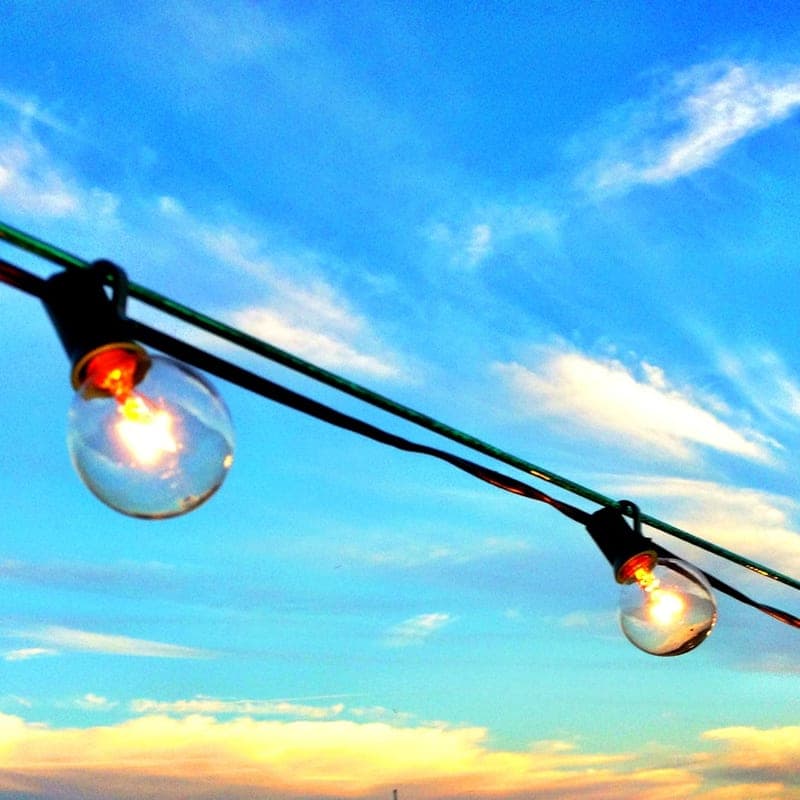 Top pickWintergreen Lighting OptiCore C9 LED, 25 ft25 bulbs / 25 ft, 12 in spacing | Rooflines you want to keep for a decade | 9.2 | Check price on Amazon |
| 2 | 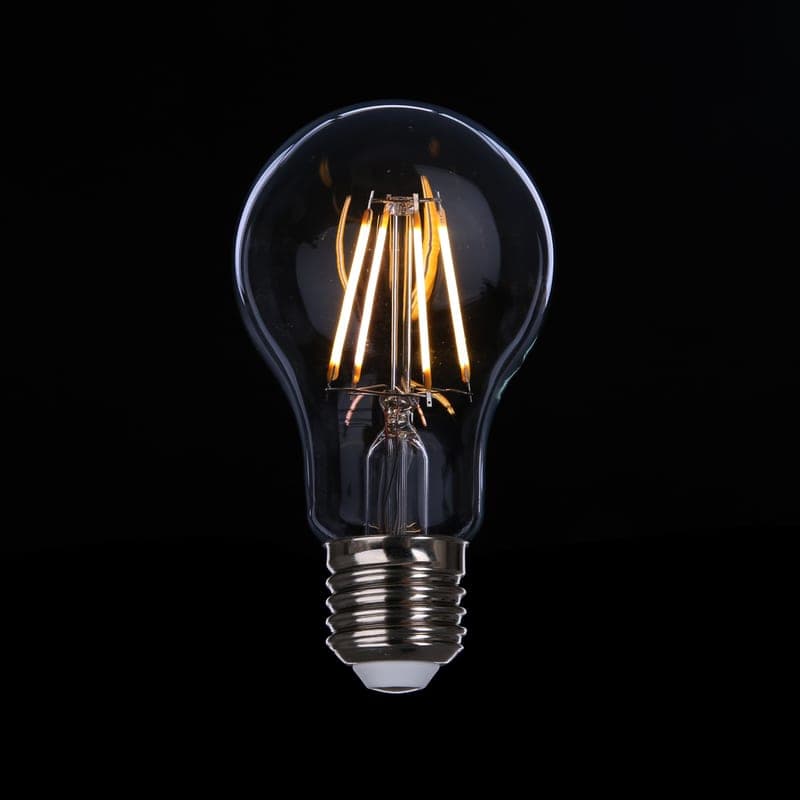 Wintergreen Lighting OptiCore C9 replacement bulbs, box of 25E17 base, box of 25 | Keeping an existing C9 run alive | 9.0 | Check price on Amazon |
| 3 | 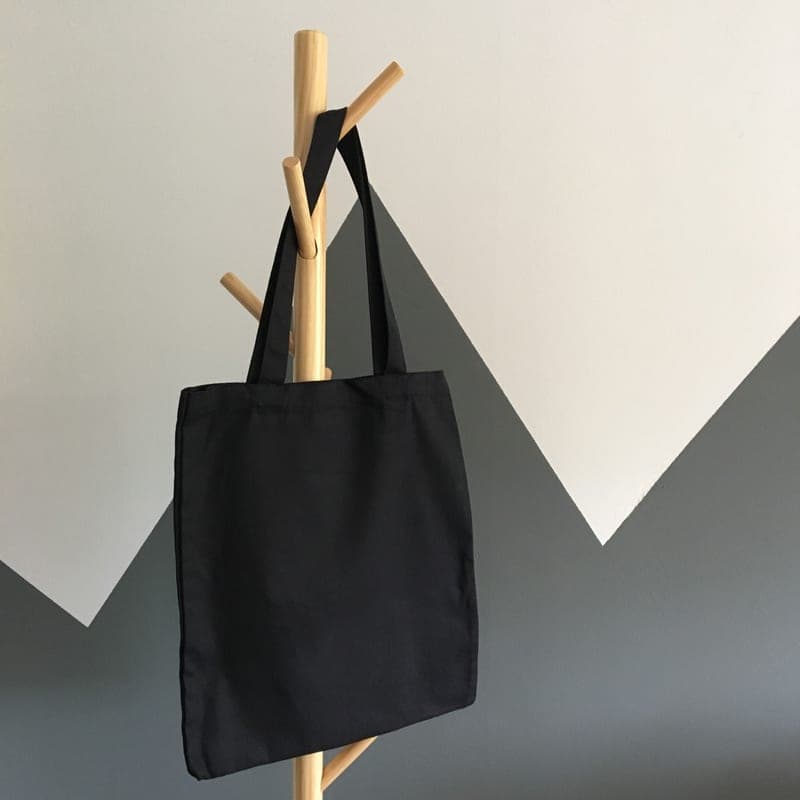 HOLDN' STORAGE Premium Christmas Light Storage Bag with 3 reels600D + PVC, 3 reels, up to 375 ft | One bag for the whole display | 9.0 | Check price on Amazon |
#ad We may earn a commission · Prices are shown by Amazon, not by us
Scores are our own editorial judgment from published specifications and buyer feedback — not aggregated user ratings, and not from hands-on testing. See how we pick.
Jump to a full review below: planning
The picks in full
Top pick
Wintergreen Lighting OptiCore C9 LED, 25 ft
Wintergreen Lighting
#ad We may earn a commission · Prices are shown by Amazon, not by us
The commercial-grade C9 most professional installers use, sold in retail quantities. Thick polycarbonate lenses and a green commercial-gauge wire that survives being handled every year.
C9 is the big, faceted, traditional-looking bulb — the one that reads as Christmas lights from the street rather than as a glow. Wintergreen's OptiCore line is the version professional installers buy, and the reason is not brightness. It is that the lens is polycarbonate rather than glass, and the manufacturer rates the bulbs at 60,000 hours. A season is roughly 45 days at eight hours, so about 360 hours. The arithmetic on that rating is generous enough that bulb failure stops being the thing that ends a strand's life; handling damage is.
The practical case for buying commercial-grade C9 is replaceability. Each bulb screws into an E17 socket. When one dies, you replace one bulb for a couple of dollars instead of pulling a 100-light strand off the roof. Over five seasons that is the whole argument, and it is why the same boxes keep appearing on the same houses.
The honest counterpoint: this is expensive per foot, and it is sold in 25 ft sets. A 180 ft roofline is eight boxes plus spare bulbs, which is a real number. If you are lighting one gable over the front door and you are not sure you will do it again next year, a cheaper set is the right call and we would not argue.
One buying note that trips people up — C9 sets and C9 bulbs are sold separately as often as together. Check whether the listing you are on is a complete lit set or a box of replacement bulbs, because the photos look nearly identical.
What works
- Bulbs are replaceable individually — one failure is not a dead strand
- Polycarbonate lens survives being dropped off a ladder
- Same product line pros buy, so spare bulbs stay available year to year
- End-to-end connectable, so long roof runs are one circuit decision
What does not
- Costs several times what a big-box 100-count set costs
- Green wire is visible against white fascia in daylight
- 25 ft per set means a 180 ft roofline is eight boxes
| Bulb | C9, E17 base, LED |
|---|---|
| Set length | 25 ft, 25 bulbs |
| Spacing | 12 in |
| Lens | Polycarbonate (manufacturer states 200x the impact strength of glass) |
| Rated life | 60,000 hours (manufacturer figure) |
| Wire | Green, commercial gauge |
Keeping an existing C9 run alive
Wintergreen Lighting OptiCore C9 replacement bulbs, box of 25
Wintergreen Lighting
#ad We may earn a commission · Prices are shown by Amazon, not by us
The reason to own socket-based C9 in the first place. A box of 25 E17 bulbs turns a dead spot on the roof into a five-minute fix instead of a re-install.
Buy a box of these at the same time you buy the lights. That is the whole recommendation.
The E17 base is a genuine standard, so a Wintergreen bulb will screw into another brand's C9 socket. That matters in year four, when the set you originally bought has been discontinued and you have one dark bulb over the garage.
Match the finish, though. Faceted bulbs have a cut-glass texture that catches light; smooth or ceramic bulbs are opaque. Put one faceted bulb in a run of twenty-four smooth ones and it is the only thing anyone sees.
If your lights are molded mini strings rather than socketed C9, none of this applies and there is nothing to replace. That difference is the strongest practical argument for socketed C9 over cheap strings, and it only shows up after a couple of seasons.
What works
- Cross-brand compatible — E17 is E17
- One dead bulb costs a couple of dollars, not a whole strand
- Buying a spare box with the original set is cheap insurance
What does not
- Only useful if your sets have sockets — molded mini strings cannot use them
- Faceted and smooth finishes look different; ordering the wrong one is obvious
| Base | E17 (C9 standard) |
|---|---|
| Pack | Box of 25 |
| Type | LED, faceted and smooth/opaque options |
| Rated life | 60,000 hours (manufacturer figure) |
| Fits | Any standard E17 C9 socket, any brand |
One bag for the whole display
HOLDN' STORAGE Premium Christmas Light Storage Bag with 3 reels
HOLDN' STORAGE
#ad We may earn a commission · Prices are shown by Amazon, not by us
600D fabric with a PVC lining, reinforced handles and three reels inside. Reels plus a bag is the combination that works; either alone does not.
The hour you spend in January decides the hour you spend in November. Lights thrown into a cardboard box come out as one object eleven months later, and untangling it is the worst job in the whole project.
The fix is reels inside a bag. Reels keep each run wound and separate; the bag keeps the reels together, keeps dust and rodents off, and survives being stacked on. HOLDN' STORAGE sells the combination: three reels inside a 600D bag with a PVC lining and reinforced handles.
Capacity is about 375 feet of string or cord, which is one average house. If you run a full roofline plus bushes plus a path, buy two and split them logically — roofline in one, ground-level in the other — so next November you carry up only what you need first.
One habit worth building: label each reel with where its run goes as you wind it. 'Front gutter, 4 sets' written on a piece of tape in January is worth twenty minutes next season.
What works
- Reels stop the tangle; the bag stops the reels rattling loose in the attic
- Heavy fabric survives an attic floor, which thin bags do not
- Cords and lights in one container, so nothing is missing next November
What does not
- 375 ft is one average house — a big display needs two
- A full bag is heavy and awkward on attic stairs
| Material | 600D exterior with PVC lining |
|---|---|
| Reels | 3 included |
| Capacity | Up to 375 ft of light string or cord |
| Handles | Reinforced |
Common questions
Is it worth renting Christmas lights?
For one season, or when you have no storage and do not want to be on a ladder, yes. Over three or more seasons a leased install costs the full price every year while an owned display costs only consumables after year one, so buying pulls ahead quickly.
Do you keep the lights after a professional installation?
Usually not. Most installers work on a lease model where the lights are theirs, and they remove and store them at the end of the season. Ask directly, because some companies do sell the installed lights outright.
How long do bought Christmas lights last?
It depends almost entirely on whether the bulbs are replaceable. Socketed commercial sets get repaired bulb by bulb and last many seasons. Molded mini strings are replaced when a section fails. That difference drives the whole rent-versus-buy calculation.
Sources
Every specification quoted on this page comes from the manufacturer’s own published information or a current retail listing, linked below. Where a figure is not published, we say so rather than estimating it.