Clips & Mounting
How to hang Christmas lights on a two-story house
The second story is where this job stops being a decoration and becomes a height-work problem. There are three honest answers and only one involves a tall ladder.
Mike M. — The hands-on owner behind Iron Mako Media.
Published
This page contains affiliate links. If you buy through them we may earn a commission at no cost to you, and it never decides what we recommend. How this site is funded.
The direct answer: there are three ways to light a two-story roofline and you should choose between them before you buy anything. One, the ground-level pole method: pre-clip the run, hook it onto the gutter from below with a magnet on a long pole, no ladder at all. Two, the ladder method, done properly — everything assembled, bulbed and tested on the ground first, and the ladder moved rather than reached from. Three, don't light the upper eave: build the display from the lower roofline, trees, shrubs and the yard, which on many two-story houses looks better anyway. Permanent lighting is the fourth answer and it is a different purchase.
The ground-level pole method
This is the method most people have never heard of and it is genuinely viable on a house with gutters. Family Handyman publishes the build: an 8-foot 1x2, a strong magnet, and a length of galvanised steel plumber's hanger strap cut into 7-inch sections and bent into hooks. Attach the hooks to the string of lights every 5 feet or so, then use the magnet on the end of the pole to hang each hook over the gutter lip, one at a time, without leaving the ground.
The honest caveat, in their words: this is a bit more difficult on a two-story house. You have to screw two or three 1x2s together to reach the gutters, and grabbing the hooks with the magnet as they hang far above you is trickier. Their conclusion is still the right one — it is better than climbing a ladder.
- 1
Build the pole long enough
Two or three 1x2s screwed together to reach the upper gutter, with the magnet fixed securely to the top. A commercial telescoping pole works too; prefer locking cams over twist locks, because a cam will not slip or collapse under sideways pressure.
- 2
Make the hooks
Galvanised plumber's hanger strap cut into 7-inch sections and bent into open hooks. Galvanised, not plain steel — a bare steel hook will leave a rust streak down the fascia by February.
- 3
Pre-attach hooks to the string every 5 feet
On the ground, flat, with the string laid out in the order it will hang. This is where all the accuracy comes from.
- 4
Lift and hook, one at a time
Carry the magnet to each hook, lift it to the gutter and let it drop over the lip. Work in one direction, from the power source outward.
- 5
Check from the street
Walk back every fifteen or twenty feet and look. A sag you cannot see from below the eave is obvious from the kerb.
If you are going up a ladder, prep decides everything
The single most important rule for height work on a light install is this, and the Christmas Light Emporium states it plainly: nothing should be assembled, bulbed, tested or troubleshot while you are standing on a ladder. Every minute you spend at height should be a minute spent hanging a finished run.
- Measure from the ground. A laser measure gets you each roof segment without a single climb — front gable, left eave, right eave, garage return — and measuring the roof edge rather than the ground beneath it is what stops you running short. Measuring your roofline has the method.
- Add ten percent for corners, drops and the slack lost at every turn.
- Build each run complete and label it. Clip the sockets to their attachments while the run is flat on the drive, test it, coil it, and write the segment name on a strip of painter's tape: front gable, garage left. You then carry one labelled coil up at a time.
- Count clips at the bulb interval. Spacing clips at the same interval as the bulbs is what keeps a run from sagging between supports, and a two-story eave shows sag from a long way off.
- Move the ladder, never reach. The reach is how people fall. Ladder safety covers the setup angle, footing and the three-point rule.
On a high eave, clip choice matters more than on a low one, because a failure is not a two-minute fix. All-purpose clips that grip either the gutter lip or the shingle edge give you options once you are up there and the surface turns out not to be what you thought. On wind-exposed upper runs, a snap-on locking tab holds where a friction clip walks loose.
The third answer: don't light the upper eave
This gets dismissed as giving up and it is not. A two-story facade has a great deal of surface below the upper gutter: the porch roof, the lower eave, the garage front, the window casings, the shrubs, the path and any tree in the front garden. A display built from all of those is often better composed than one that puts a single thin line of light at the very top of the house and leaves everything below it dark.
- Light the lower roofline and the garage. The two largest readable planes on most two-story elevations are at ground level anyway.
- Wrap the trees. A wrapped trunk carries visual weight and competes with the house for attention. See how to wrap a tree trunk.
- Use the windows. Upper-story window casings can take battery sets fitted from inside the room, which is height work with your feet on a floor.
- Add one tall object in the yard. A 12-foot inflatable or a lit tree gives the display the height the roofline would have given it.
When to pay someone, and when to go permanent
A professional install on a two-story house buys you somebody else's insurance, equipment and experience at height, and that is a legitimate purchase rather than a luxury. If you are paying that fee every year, it is also the comparison that makes a permanent system add up, because the permanent cost is once and the install fee recurs. The arithmetic for both is in DIY vs professional install cost and are permanent Christmas lights worth it.
What to buy
The products that fit the advice above, chosen by the process on our methodology page. Every specification quoted is the manufacturer’s own published figure, linked on the page.
Quick picks
| # | Product | Best for | Score | Price |
|---|---|---|---|---|
| 1 | 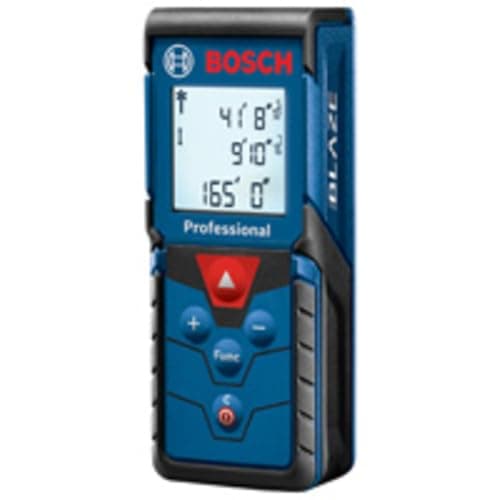 Top pickBosch GLM165-40 Blaze Pro Laser Measure, 165 ft165 ft range, Blaze Pro | Measuring a roofline without a ladder | 8.8 | $59.84 · View on Amazon |
| 2 | 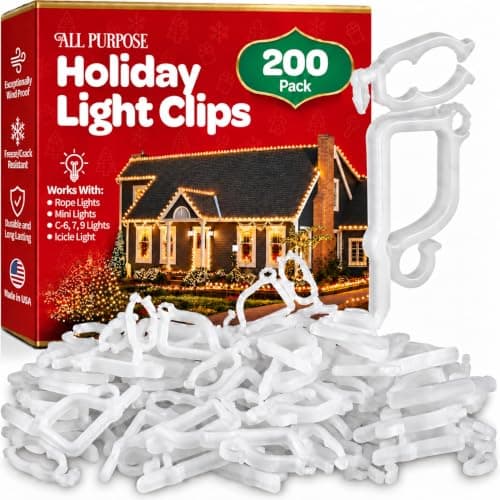 All-Purpose Holiday Light Clips, 200-packFits C7, C9, mini, icicle; 200-pack | One clip for a whole mixed display | 9.0 | $13.99 · View on Amazon |
| 3 | 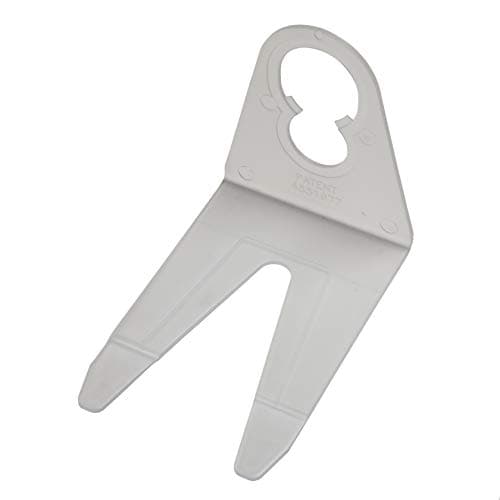 Original Shingle Tab Clips for C7/C9, 100-packDual-leg, wedges under shingle; C7/C9 | Roofs with gutter guards, or no gutters at all | 8.9 | $19.99 · View on Amazon |
| 4 |  Kringles Clips, snap-on locking tabSnap-on locking tab, tool-free | Wind-exposed runs | 8.4 | $13.99 · View on Amazon |
#ad We may earn a commission · Price as of October 10, 2026
Scores are our own editorial judgment from published specifications and buyer feedback, scored against the same criteria across this category. See how we pick.
Jump to a full review below: clips-and-mounting
Common questions
How do you hang Christmas lights on a two-story house without a ladder?
With a pole and a magnet, if the house has gutters. Cut galvanised plumber's hanger strap into 7-inch sections, bend them into hooks, attach them to the light string every 5 feet, then use a magnet on a long pole to lift each hook over the gutter lip from the ground. On a two-story house you need two or three 1x2s screwed together to reach, and the magnet work is trickier high up.
What should I do before going up the ladder?
Everything. Measure each roof segment from the ground, add ten percent, then build each run complete on the drive — clips attached, bulbs in, tested — and label it with painter's tape. Nothing should be assembled, bulbed, tested or troubleshot while you are standing on a ladder.
Is it safe to hang Christmas lights from the roof instead of a ladder?
Walking a pitched roof to hang lights is not a reasonable risk, and neither is setting a ladder near the overhead service drop into the house. If the only way to reach a section of eave involves either, leave that section unlit this year or hire somebody with the equipment and insurance for height work.
Does a two-story house need different clips?
Not different types, but better judgement. On a high eave a clip failure is not a two-minute fix, so all-purpose clips that grip either a gutter lip or a shingle edge are worth it for the flexibility once you are up there, and a snap-on locking tab holds better than a friction clip on wind-exposed upper runs.
Can a two-story house look good without lighting the top roofline?
Often better. A single line of light at the very top with everything below it dark is a weak composition. The lower eave, garage front, window casings, shrubs, path and a wrapped tree give you more readable surface than the upper gutter does, and all of it is reachable from the ground.
Sources
Every specification quoted on this page comes from the manufacturer’s own published information or a current retail listing, linked below. Where a figure is not published, we say so rather than estimating it.
- Family Handyman — the ultimate guide for holiday lighting (8-ft 1x2 plus magnet and galvanised plumber's hanger strap cut into 7-in hooks, hooks every 5 ft, two or three 1x2s screwed together for a two-story house)
- The Christmas Light Emporium — how to hang Christmas lights, complete method (measure each segment, add ten percent, build runs on the ground, label each coil, clips at the bulb interval, move the ladder rather than reach)
- Christmas Lights Etc — Christmas light clips guide (clip types by mounting surface)
- ESFI — outdoor decoration safety tips (outdoor-marked equipment, GFCI protection, keeping decorations and ladders clear of overhead lines)