Outdoor Christmas Lights
Are permanent Christmas lights worth it?
Nobody buys a permanent system for Christmas. They buy it so they never climb a ladder in December again — and that is the only number that matters.
Mike M. — The hands-on owner behind Iron Mako Media.
Published
This page contains affiliate links. If you buy through them we may earn a commission at no cost to you, and it never decides what we recommend. How this site is funded.
The direct answer: a permanent system is worth it if you would otherwise be paying someone to install and remove seasonal lights every year, or if climbing a ladder onto a two-story roofline is something you should not be doing. Measured purely against a DIY seasonal display, it is not worth it on cost and probably never will be — the honest case for it is labour, safety and the eleven months the system is doing something other than Christmas.
What you are actually buying
A permanent system is a track of individually addressable LEDs mounted under the eave and left there year-round. It runs red and green in December, orange in October, team colors on a Saturday, and warm white as architectural accent lighting the rest of the time. The hardware stays put; what changes is what you tell it to do from an app.
The market has two halves that barely compete. Dealer-installed systems — Trimlight, JellyFish, Gemstone, EverLights pro — are fitted by a trained installer in a color-matched channel, with published installed pricing in the region of 18 to 35 dollars per linear foot and typical whole-house projects landing roughly between 2,000 and 6,000 dollars. DIY kits are a cuttable RGBIC track you mount yourself with adhesive and clips, at a small fraction of that. The worth-it question has a different answer for each.
The break-even, done properly
The comparison most people make is permanent system versus nothing, and that is not the comparison. Run it against what you actually do today.
| Route | Up-front | Every year after | Your labour each December |
|---|---|---|---|
| DIY seasonal C9 on clips | Lights, clips, timer, one ladder day | Near zero; replace a strand occasionally | Install and remove, two days |
| Hired seasonal install | Nothing | A full install-and-remove fee, every year | None |
| Permanent system | The whole cost, once | Electricity only | None, ever again |
- Against DIY seasonal lights, permanent loses on money and wins on time. A C9 roofline on reusable clips costs a fraction of a permanent install up front and almost nothing after. If you are happy on the ladder, that is the cheaper display and it always will be.
- Against a hired seasonal install, permanent can pay back. An annual install-and-remove fee recurs forever. Divide a permanent quote by that fee and you get the number of seasons to break even — and because the fee recurs for the life of the house, the comparison genuinely favours permanent at a certain number of years. Get both figures in writing before deciding.
- Against doing nothing, it is not a financial decision at all. It is the same category of purchase as a patio or landscape lighting: you are buying how the house looks for eleven months, not six weeks.
The four cases where it is clearly worth it
- A two-story or steep roofline. This is the strongest case and it is a safety argument, not a convenience one. If getting lights onto the upper eave means a tall extension ladder on uneven ground in November, the permanent system removes a real annual hazard. See ladder safety for what that risk actually looks like.
- You already pay for installation. If an annual install-and-remove invoice exists, the permanent system is competing with a recurring cost rather than with free labour, and the arithmetic changes completely.
- You want the house lit outside December. Tunable warm white under the eaves is genuinely pleasant year-round, and nothing seasonal gives you that. This is the reason most owners say they would buy again.
- Mobility, age or health makes ladder work a bad idea. No display is worth a fall, and this is the cleanest version of the argument.
The three cases where it is not
- A single-story house with a reachable roofline and a willing installer in the family. Clips and a C9 run do this for a tenth of the money and you lose nothing but an afternoon.
- You are planning to move inside a few years. Permanent lighting is not a line item a buyer pays extra for, and the track is not coming with you.
- You want the traditional look. A permanent track is a line of small point sources under the eave. It does not look like a C9 roofline and it is not trying to. If the faceted-bulb look is the thing you want, a permanent system will disappoint you no matter how good it is.
What to check before you commit
Whichever half of the market you are in, four published specifications decide whether a system is still working in year five. Shop on these, not on the color count — every product in the category claims sixteen million colors and it tells you nothing.
| What to check | Why it decides the purchase | What good looks like |
|---|---|---|
| Ingress rating | It stays on the fascia through every weather event for years | IP67 on the strand as a minimum; IP68 is published on some DIY kits |
| Warranty, split two ways | A lifetime product term with a 1-year labor term is not a lifetime install warranty | Both numbers stated; EverLights publishes 1 yr labor / 5 yr parts |
| Tunable white range | Decides what the house looks like for eleven months | A published Kelvin band such as 2200K-6500K, not just warm white |
| Cuttable run | Whether the kit fits your roofline or the reverse | Manufacturer states the run can be cut and reconnected |
On the DIY side, Govee publishes IP68 on the 2 Pro strand with IP67 on the control box, and states the 100-foot run is cuttable. Lumary publishes a 2200K-6500K tunable white, which is the better specification if year-round white is the point. The field ranked on all four numbers is in best permanent outdoor Christmas lights; the dealer brands are compared in EverLights alternatives.
The option in between
There is a third route almost nobody is offered: leave the clips up, not the lights. A set of shingle tabs or all-purpose clips installed once and left on the roofline year-round turns the annual job from a full install into hanging a pre-built run on existing hooks. It is a fraction of the cost of a permanent system, it keeps the traditional bulb look, and it cuts the ladder time by most of the way. If your objection to seasonal lights is the labour rather than the ladder, start there — how many clips do I need sizes it.
The verdict
Worth it: two-story roofline, existing install bill, or genuine interest in the house being lit year-round. Not worth it: a reachable single-story roofline and a free pair of hands, a house you are selling soon, or a strong attachment to the look of a faceted bulb. The permanent system is not a better Christmas display than a good C9 run — it is a system that removes a job you do every year, and that is what you are paying for.
What to buy
The products that fit the advice above, chosen by the process on our methodology page. Every specification quoted is the manufacturer’s own published figure, linked on the page.
Quick picks
| # | Product | Best for | Score | Price |
|---|---|---|---|---|
| 1 | 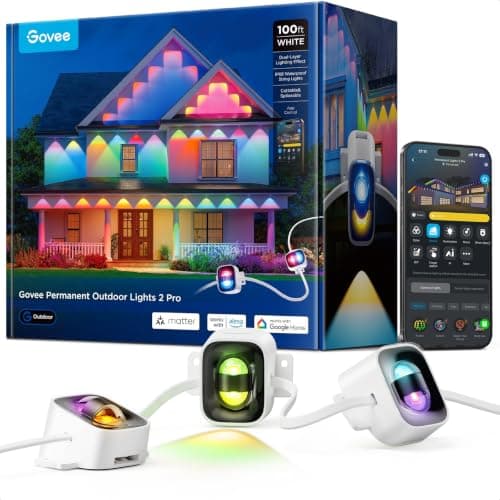 Top pickGovee Permanent Outdoor Lights 2 Pro, 100 ft100 ft / 60 lights, cuttable, IP68 | A permanent track trimmed to a complicated roofline | 8.8 | $399.99 · View on Amazon |
| 2 | 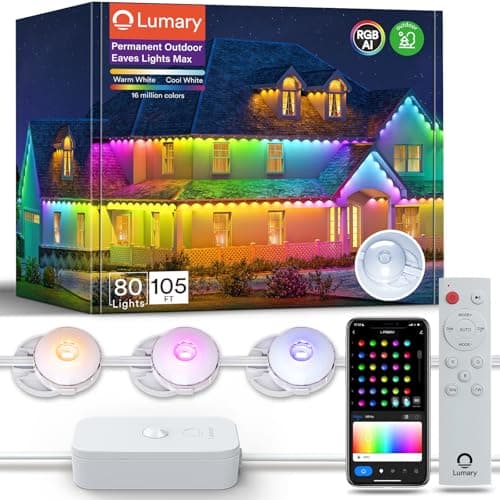 Lumary Permanent Outdoor Lights Max, 105 ft / 80 LED105 ft / 80 LED, RGBAICW, 2200K-6500K | Warm white you can actually tune | 8.7 | $322.99 · View on Amazon |
| 3 | 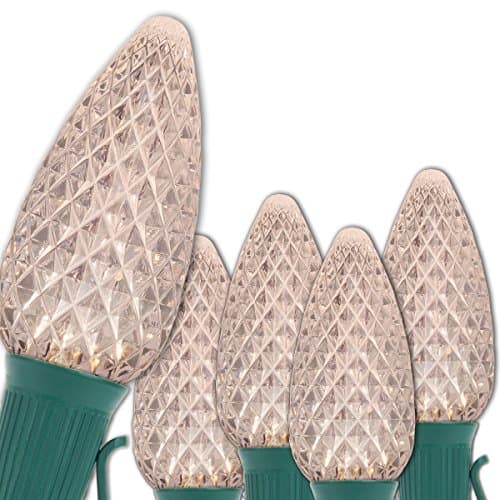 Wintergreen Lighting OptiCore C9 LED, 25 ft25 bulbs / 25 ft, 12 in spacing | Rooflines you want to keep for a decade | 9.2 | $49.99 · View on Amazon |
| 4 | 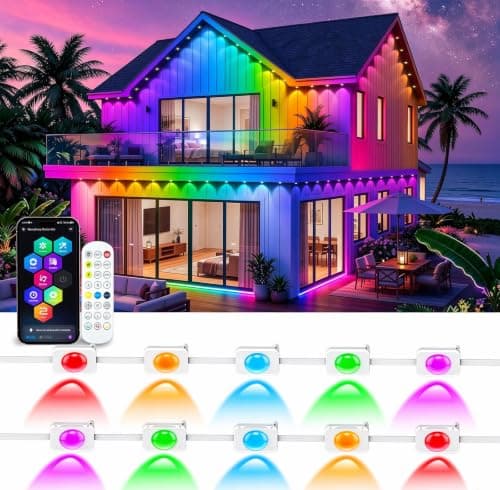 AMURTH 100 ft RGB+IC Permanent Outdoor Lights100 ft, RGB+IC, IP67 | Testing the idea before spending real money | 7.4 | $59.99 · View on Amazon |
#ad We may earn a commission · Price as of October 10, 2026
Scores are our own editorial judgment from published specifications and buyer feedback, scored against the same criteria across this category. See how we pick.
Jump to a full review below: lights
Common questions
Are permanent Christmas lights worth the money?
They are if you currently pay for seasonal installation, if your roofline is two-story or steep enough that ladder work is a real risk, or if you want the house lit outside December. Measured against a DIY seasonal C9 display on reusable clips, they are not worth it on cost alone and are unlikely to become so.
How much do permanent Christmas lights cost?
Published dealer-installed pricing sits in the region of 18 to 35 dollars per linear foot, with typical whole-house projects landing roughly between 2,000 and 6,000 dollars, and some brands charging separately for the controller. Homeowner-installed RGBIC kits covering a comparable run cost a small fraction of that. Ask for any quote in dollars per linear foot so you can compare brands on your own house.
How long do permanent Christmas lights last?
Brands in the category publish LED life expectancies around 50,000 hours, which is far longer than the realistic life of the connectors and the control box. That is why the ingress rating matters more than the hour figure: IP67 on the strand is a sensible minimum for something staying on the fascia for years, and failures tend to appear at connections first.
Do permanent lights look good the rest of the year?
That depends entirely on the white. A system with a published tunable Kelvin range, such as 2200K to 6500K, gives genuinely pleasant architectural warm white for the eleven non-Christmas months. An RGB-only system mixing white from red, green and blue always shows a tint, and that tint is what people notice in January.
Is there a cheaper middle option?
Yes, and it is rarely suggested: leave the clips up instead of the lights. Shingle tabs or all-purpose clips fitted once and left on the roofline year-round reduce each December to hanging a pre-built run on existing hooks. It keeps the traditional bulb look and costs a fraction of a permanent system.
Sources
Every specification quoted on this page comes from the manufacturer’s own published information or a current retail listing, linked below. Where a figure is not published, we say so rather than estimating it.
- Trimlight — best permanent Christmas lights, how to compare brands in 2026 (installed cost per linear foot, typical project ranges, dealer vs DIY categories, warranty terms by brand)
- EverLights — official site (1 yr labor / 5 yr parts warranty, 50,000-hour life expectancy, RGBW true warm white, DIY and professional options)
- Govee — Permanent Outdoor Lights 2 Pro, 100 ft (IP68 strand, IP67 control box, cuttable run)
- Best Buy — Lumary 105 ft Smart Permanent Outdoor Eave Lights Pro, RGBAICW (2200K-6500K tunable white)
- Trimlight — Trimlight vs Govee comparison (channel vs adhesive mounting, warranty structure, visible wiring on DIY kits)