Outdoor Christmas Lights
Half the string is dark: how to fix LED Christmas lights
Work the diagnosis in order — fuse, connection, bulb, wire. Three of those four are a five-minute fix.
Mike M. — The hands-on owner behind Iron Mako Media.
Published
This page contains affiliate links. If you buy through them we may earn a commission at no cost to you, and it never decides what we recommend. How this site is funded.
Short answer: if exactly half a string is dark, the fault is almost always at the boundary between the two halves — a bad bulb, a loose bulb, or water in a socket. If a whole set is dark, check the fuse in the plug first. Both are fixable in minutes; a damaged wire is not.
Why half a string goes dark
Light strings are wired in series sections. A 100-bulb set is typically two or three series circuits sharing one plug, which is why a failure takes out a block rather than the whole thing. The dark block is one series section, and the break is inside it.
Modern LED sets often include shunts designed to keep a section lit when one bulb fails — but shunts fail too, and cheap sets frequently have none at all.
Work through it in this order
- 1
1. Unplug it
Everything below is done with the set disconnected from power. This is not optional and it is not a formality.
- 2
2. Check the fuses in the plug
Slide open the small door on the plug body. Inside are two tiny glass fuses. A blown one is visibly dark or has a broken filament. Sets ship with spares taped inside the packaging; this is the single most common whole-set failure.
- 3
3. Check the connection to the previous set
If this set is chained to another, unplug and firmly reseat that joint. Corrosion or a partly seated plug is extremely common, especially on a set that has been outside in rain.
- 4
4. Find the boundary bulb
Walk along to where the lit section ends. The first dark bulb, and the one immediately before it, are your suspects. On a socketed set, press each one firmly into its socket — a bulb that has worked loose is the commonest cause.
- 5
5. Swap the suspect bulb
Take a known-good bulb from the far end of the run and fit it in the suspect socket. If the section lights, you found it. If not, move to the next bulb along.
- 6
6. Look for water and corrosion
Check the sockets in the dark section for green or white deposits, and check whether any part of that section has been lying in a gutter or a puddle. That is the root cause behind a large share of mid-season failures.
- 7
7. Inspect the wire
Look for a crushed, cut or cracked section — under a clip, where a ladder rested, or where a gutter edge has worn it. This is the one failure that is not worth repairing.
Socketed versus molded, and why it decides everything
| Set type | Bulb swap | Realistic outcome |
|---|---|---|
| Socketed C9 / C7 | Yes, unscrews | Almost always repairable in minutes |
| Molded mini / 5 mm LED | No, sealed into the wire | Fuse and connection fixes only; otherwise replace |
On a molded string, steps 2 and 3 are the whole repertoire. If the fuse and the connections are good and a section is still dark, the set is done. That is not a defect — it is what the product is — but it is the strongest practical argument for socketed sets on anything you intend to keep.
What about bulb testers?
Testers that detect a break in a series string exist and can help on long molded runs. On a socketed set they are unnecessary — swapping a known-good bulb along the boundary finds the fault just as fast.
Preventing it next year
- Test every set on the ground before it goes up. Finding a dead set in the garage costs a minute; finding it on a ladder costs an hour.
- Keep connections out of standing water — see are outdoor Christmas lights waterproof.
- Never leave an empty socket. It is an open path to the contacts.
- Store on reels, dry. Most mid-season failures were created the previous January, by putting wet lights into a sealed container.
The bulb and fuse replacement procedure in detail is in replacing bulbs and fuses. If the problem is the breaker rather than the string, start at lights tripping breaker.
What to buy
The products that fit the advice above, chosen by the process on our methodology page. We have not hands-on tested them; specifications are the manufacturers’ own.
Quick picks
| # | Product | Best for | Score | Price |
|---|---|---|---|---|
| 1 | 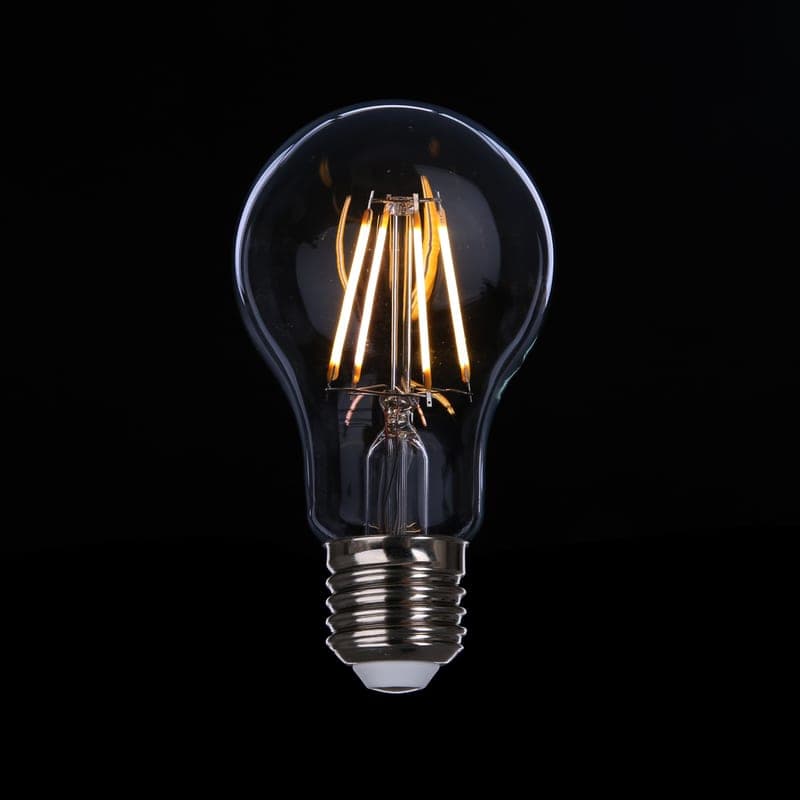 Top pickWintergreen Lighting OptiCore C9 replacement bulbs, box of 25E17 base, box of 25 | Keeping an existing C9 run alive | 9.0 | Check price on Amazon |
| 2 | 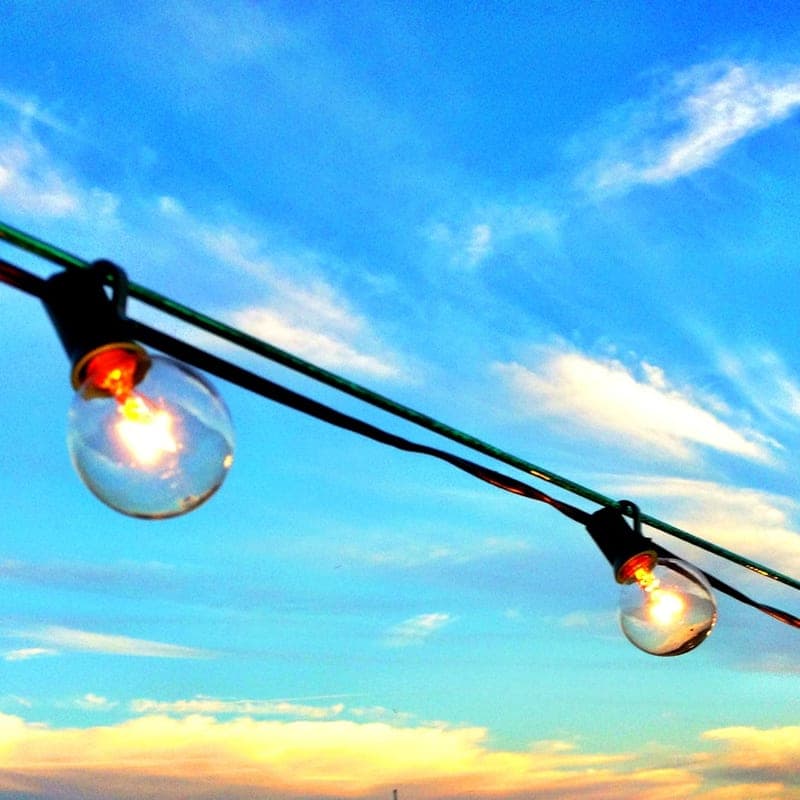 Wintergreen Lighting OptiCore C9 LED, 25 ft25 bulbs / 25 ft, 12 in spacing | Rooflines you want to keep for a decade | 9.2 | Check price on Amazon |
#ad We may earn a commission · Prices are shown by Amazon, not by us
Scores are our own editorial judgment from published specifications and buyer feedback — not aggregated user ratings, and not from hands-on testing. See how we pick.
Jump to a full review below: lights
Common questions
Why is half my string of Christmas lights out?
Light strings are wired in series sections, so a break takes out a block rather than the whole set. The fault is at the boundary between the lit and dark sections — usually a loose or failed bulb, or a corroded socket.
How do you fix LED Christmas lights that are half out?
Unplug, check the fuses in the plug, reseat the connection to the previous set, then press and swap the bulbs at the boundary between lit and dark. On a socketed set that fixes it most of the time. On a molded set, if fuse and connections are good, the set is finished.
Where is the fuse on Christmas lights?
Inside the plug body. There is a small sliding door on the plug; behind it sit two tiny glass fuses. Replacement fuses usually ship taped into the original packaging.
Is it worth repairing Christmas lights?
On a socketed C9 or C7 set, absolutely — a bulb is a couple of dollars. On a molded mini string, only the fuse and connection fixes are worth trying. And a set with damaged wire insulation should always be replaced, never taped.
Sources
Every specification quoted on this page comes from the manufacturer’s own published information or a current retail listing, linked below. Where a figure is not published, we say so rather than estimating it.